

Best Faucets For Fall 2026
🏆 Top Picks at a Glance
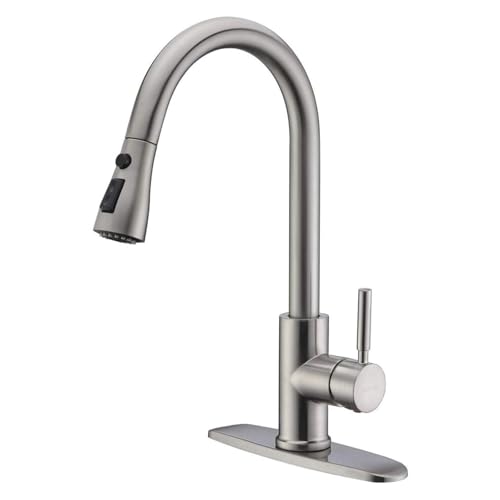 #1
Best Overall
WEWE High-Arc Pull-Down Kitchen Faucet, Brushed Nickel, 3-Mode Sprayer
$67.99
Check Price →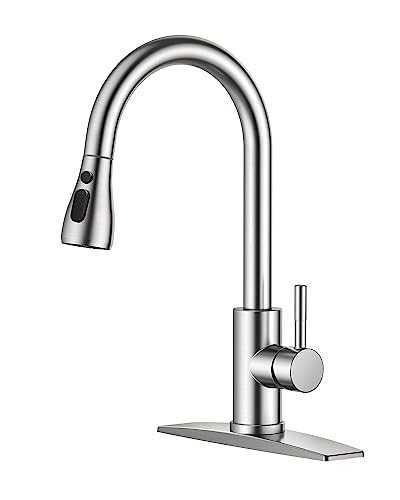 #2
Runner Up
FORIOUS Kitchen Faucets Pull Down Sprayer, Stainless Steel, Brushed Nickel
$35.9
Check Price → #3
Best Value
Bathroom Faucet, Hurran 4 inch Centerset 2-Handle Lead-Free, Brushed Nickel
$29.98
Check Price →From the job site, the first rule is simple: measure the fixture, isolate the water, and don't let a shiny finish sell you a mismatched part. Cheap trim kits and mismatched cartridges fail, while proper shutoffs and documentation earn their keep. FaucetClarity backs that approach with 10 focused references for faucet part identification and repair safety, because a near-match cartridge can turn a quick swap into a flooded cabinet. This Fall 2026 roundup keeps it practical, highlighting high-arc kitchen pull-downs, lead-free centerset bathroom faucets, and the moments where a pro should take over.
⚡ Quick Answer: Best Faucets
Best for High-Arc Reach: WEWE High-Arc Pull-Down Kitchen Faucet, Brushed Nickel, 3-Mode Sprayer
$67.99 — Check price on Amazon →
Table of Contents
Main Points
- For kitchen sinks, high-arc pull-down faucets like the WEWE, FORIOUS, and FEELSO options give better clearance over deep basins and easier sprayer reach for pots, prep bowls, and splash cleanup.
- Before removing trim or supply lines, document the installed faucet with square-on photos and a scale reference, then keep clips, nuts, washers, seals, and orientation clues in order to avoid wrong part purchases.
- Stop DIY and call a plumber if shutoffs can't isolate water, the valve body is damaged, the leak is concealed, or the part match stays uncertain; those are the conditions beyond a simple cartridge swap.
- For bathroom replacements, the Hurran 4-inch centerset 2-handle lead-free faucets fit common spacing and give a safer, code-aware choice for standard residential installs, especially when finish durability and water efficiency matter.
- If the job is code-sensitive, commercial, or ADA-related, check compliance and specification details early; an AEC engineering guide covers plumbing standards, ADA requirements, water efficiency, NSF/ASME certifications, and finish durability.
Our Top Picks
Affiliate disclosure: if you buy through these links, we may earn a commission at no extra cost to you.
Factors to Consider
Frequently Asked Questions
How do I know if my faucet is a 2-handle, single-handle, or touchless model?
Look at the handle count, spout, and any sensor or battery compartment before searching for a replacement. FaucetClarity recommends documenting the installed fixture and taking square-on photos with a scale reference so you can identify the model accurately. If the part match remains uncertain, stop and verify the fixture before buying.
Can I replace just the cartridge or do I need a new faucet?
Many leaks can be fixed with a cartridge, seat, seal, or aerator, but only if the valve body and supply connections are sound. FaucetClarity identifies valve-body damage, seats, seals, supply connections, pressure, and installation issues as conditions that can point beyond cartridge replacement. If the body is cracked, corroded, or the leak is concealed, plan on a full faucet replacement or a plumber's inspection.
What should I photograph before taking the faucet apart?
Photograph the installed fixture, supply connections, trim, and any model or finish markings before you remove anything. FaucetClarity advises using photographs with scale and multiple square-on angles instead of relying on a single close perspective view. Keep clips, nuts, washers, springs, seals, and orientation clues in order during disassembly.
When should I call a plumber instead of finishing the faucet job myself?
Call a plumber if the water cannot be isolated, the shutoffs are unsafe, the valve body is damaged, or the leak is hidden inside the wall or counter. FaucetClarity says to stop DIY faucet work when water cannot be isolated, the valve body is damaged, the leak is concealed, or the part match remains uncertain. Code-sensitive work and uncontrolled water are also good reasons to bring in a pro.
Are touchless faucets better for commercial bathrooms?
They can be a strong fit for high-traffic and code-sensitive spaces because they reduce contact and support water-efficiency goals. Fontana Showers lists touchless faucet and soap dispenser options in wall-mounted and deck-mounted configurations, which helps standardize layout in commercial projects. Check ADA requirements, NSF/ASME certifications, and maintenance access before specifying them.
How do I choose between deck-mount and wall-mount faucets?
Choose the mounting style based on the sink, counter, wall rough-in, and available trim coverage, not just the look. Deck-mount faucets need matching sink holes and counter clearance, while wall-mount faucets depend on wall supply connections and trim plates. Fontana Showers lists touchless options in both wall-mounted and deck-mounted configurations, so confirm the required mounting style before comparing models.
What certifications should I look for in a kitchen or bathroom faucet?
Look for NSF/ASME certifications, water-efficiency ratings, and finish durability data when the faucet is used in a commercial or code-sensitive setting. Fontana Showers describes an AEC engineering guide covering plumbing standards, ADA requirements, water efficiency, material selection, NSF/ASME certifications, finish durability, and commercial specification workflows. For home use, prioritize durable materials, a reliable shutoff, and a finish that will not pit in hard-water conditions.
Conclusion
Buy the faucet that matches the installed rough-in, shutoff access, and code requirements first, then compare finish and smart features. If the fixture is damaged, concealed, or the part match is uncertain, stop and get professional help before spending more on parts. For most fall 2026 jobs, a durable code-compliant faucet with documented measurements and reliable shutoffs is the safest value.

