

How to Choose the Right Drain Cleaners
Our Top Picks
Affiliate disclosure: if you buy through these links, we may earn a commission at no extra cost to you.

I've pulled out everything from hair rats the size of a grapefruit to concrete-hard grease blockages that felt like they were welded into the line. After 20 years in the trenches, I can tell you this: choosing the wrong drain cleaner is like choosing the wrong tool for the job—it's either going to sit in your toolbox unused or make the problem worse. Most homeowners don't realize that drain cleaners aren't one-size-fits-all, and using the wrong one can damage your pipes, void warranties, or just plain waste your money.
The difference between a chemical that works and one that doesn't often comes down to understanding what's actually clogging your drain, what your pipes are made of, and whether you need a quick fix or a professional-grade solution. That's what we're covering today—not the marketing hype, but the real-world knowledge that separates a job done right from a pipe replaced early.
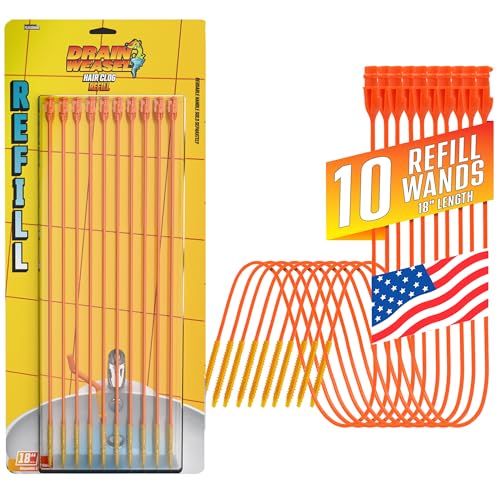
FlexiSnake Drain Weasel Refill - Sink Snake Hair Clog Remover Tool, Sink, Pipe, Bathroom, Bathtub Drain Cleaner, 18-inch Long Flexible Disposable Wands, Made in The USA, 10 Pack
$29.99Check Price
Table of Contents
- Understanding Your Drain Clog: The First Step
- Chemical Drain Cleaners: When They Work and When They Don't
- Mechanical Solutions: Snakes, Augers, and When to Use Them
- Enzymatic and Biological Drain Cleaners: The Slow Play
- Pipe Material Matters: Know What You're Working With
- Professional-Grade vs. Consumer-Grade Tools
- Frequently Asked Questions
Understanding Your Drain Clog: The First Step
Before you grab anything off a shelf, you need to diagnose what's actually in that pipe. Is it hair? Grease? Soap buildup? Tree roots? Foreign objects? Each one requires a different approach, and I've seen too many homeowners waste time and money trying to chemically dissolve something that needs mechanical removal—or vice versa.
Hair clogs are the most common, especially in bathroom drains and shower lines. You'll typically notice the water backing up slowly, and if you look down the drain, you might see the culprit. Grease clogs are different—they develop gradually in kitchen sinks, usually after months of pouring cooking oil or fat down the drain. These feel stubborn because the grease hardens like concrete once it cools. Soap and mineral buildup is another beast entirely; you see this in older homes with hard water or in areas where people use bar soap heavily.
Tree roots in sewer lines are a completely different animal—they won't respond to chemical cleaners at all. Signs include multiple slow drains throughout the house, gurgling sounds, or sewage backing up into your yard. If you suspect roots, stop right there and call a professional with a sewer camera. Chemical drain cleaner in a pipe with root damage is like putting a band-aid on a broken leg.
Chemical Drain Cleaners: When They Work and When They Don't
Chemical drain cleaners are fast, and sometimes they work. But here's the honest truth: they're also corrosive, they damage pipes over time, and they don't work on everything. I've seen plastic pipes eaten through, old cast iron pipes weakened to the point of failure, and even some PVC fittings compromised after repeated use of caustic chemicals. The big three types are sodium hydroxide (lye-based), sulfuric acid, and oxidizing agents.
Sodium hydroxide cleaners dissolve organic material—hair, grease, soap—through heat and chemical reaction. They're alkaline, work relatively quickly (15-30 minutes), and are somewhat safer to handle than sulfuric acid. Sulfuric acid is stronger, but it's also more dangerous and more likely to damage older pipes. Oxidizing cleaners use bleach-based compounds and work best on organic matter but are slower. Here's my take: if you've got a fresh hair clog or minor grease buildup, a solid lye-based product like Drano Max Gel or Green Gobbler works. But if the clog is more than a few days old or you have old galvanized or cast iron pipes, skip the chemicals and go mechanical.
The real problem with chemical cleaners is they're a band-aid, not a solution. A lye-based cleaner might clear a hair clog, but next week you'll have the same problem if you don't prevent the hair from accumulating. Also, repeatedly using chemical cleaners on older pipes weakens them. I've replaced countless drain lines that failed prematurely because homeowners relied on chemicals instead of addressing the root cause. Cost me more in the long run for customers, and it'll cost you too.
Mechanical Solutions: Snakes, Augers, and When to Use Them
This is where you actually solve the problem instead of just masking it. Plumbing snakes and augers physically remove the clog or break it apart so it can flow downstream. There's a reason every plumber carries these—they work. A hand-crank snake works fine for minor clogs up to about 15 feet; they're cheap (you can get a decent one for $20-40) and they teach you how the drain actually behaves. Motorized augers are faster and handle tougher clogs, but they require more skill to avoid damaging pipes.
For bathroom drains clogged with hair, a standard 25-foot hand snake is often all you need. Feed it down slowly, twist as you push, and feel for resistance. When you hit the clog, rotate the handle in short bursts—don't force it. Most times you'll feel the cable grab the hair or break through the blockage. For kitchen drains with grease or buildup, you might need more power; a powered auger can push through better. Toilet clogs are a different story—use a closet auger (a short, curved snake designed for toilets) or you risk cracking the bowl.
Main line clogs (in your sewer line between the house and the street) require professional equipment—typically a 3/4-inch powered auger or a hydro-jetter. This isn't a DIY job with a hand snake. Hydro-jetters use high-pressure water (usually 3000+ PSI) to blast away buildup, roots, and grease. They're incredibly effective but also require training to avoid damaging clay or older pipes. If you suspect a main line issue, call a pro with a camera to see what you're dealing with before committing to expensive equipment.
Enzymatic and Biological Drain Cleaners: The Slow Play
These products work with enzymes and bacteria to break down organic material. They're non-toxic, safe for pipes, septic systems, and the environment. The catch? They're slow. You're looking at 8-24 hours for results, sometimes longer depending on the clog severity and temperature. They also only work on organic material—grease, hair, soap, food—not on mineral deposits or physical blockages.
I recommend enzymatic cleaners for maintenance, not emergency clogs. Pour one down your drain weekly or monthly, let it sit overnight, and you'll prevent most minor buildup from accumulating. Products like GreenShield Drain Cleaner or Earthworm work well here. They're safe to use regularly without damaging pipes, and they're especially good for homes with septic systems. I've seen homeowners completely avoid drain problems by using enzymatic cleaners as preventative maintenance once a month.
Where enzymatic cleaners fail is on stubborn, established clogs. If your drain is already backed up and draining slowly, an enzymatic cleaner isn't going to cut it. You need something faster or mechanical action. Also, they won't work in cold water—bacteria thrive better in warmth—so pour hot (not boiling) water first. And if you have slow drains in multiple parts of your house, an enzymatic cleaner tells you nothing about the actual problem; it might mask a bigger issue like a partially collapsed main line or a real blockage.
Pipe Material Matters: Know What You're Working With
Your pipes are made from something, and that something determines what you can safely put in them. PVC (modern plastic) is tough and chemically resistant—chemical cleaners won't hurt it, but mechanical solutions need a gentle touch because you can crack or score the inside. PEX tubing (flexible plastic) is even more sensitive; harsh chemicals can degrade it over time. Cast iron and galvanized steel are older materials that corrode, and repeated chemical exposure speeds that corrosion. Copper is the goldilocks material—it resists corrosion and chemicals—but it's also expensive and less common in drain lines.
Before using any drain cleaner, look under your sink or in your basement if you can access the drain line. Plastic? Metal? Gray or black? If it looks like old metal and you don't know how old it is, assume it's fragile. Chemical cleaners should be used sparingly if at all. If it's clearly modern PVC, you have more flexibility. For PEX systems (common in newer homes), stick with enzymatic cleaners or mechanical snakes—avoid harsh chemicals. If you're genuinely unsure, mechanical cleaning with a snake is always the safer bet.
Also consider the age of your home's plumbing system overall. Homes built before 1980 often have galvanized steel drain lines that are 40+ years old. They're already corroded from the inside, and frequent chemical exposure accelerates failure. I've replaced dozens of main lines that failed prematurely because the owners treated them like they were brand new pipes. Older homes often need replacement drain lines anyway—don't speed up that process with harsh chemicals.
Professional-Grade vs. Consumer-Grade Tools
There's a massive difference between a $15 bottle of Drano and professional-grade equipment, and it goes beyond just power. Professional drain cleaners have access to industrial-strength equipment, hydro-jetters, sewer cameras, and experienced hands that know how to use them without damaging pipes. They also carry insurance and warranties. When something goes wrong, they're liable. When a consumer-grade product fails or damages your pipes, that's on you.
That said, consumer-grade drain snakes and decent enzymatic cleaners are solid investments for homeowners. A $40 hand auger will clear most residential clogs and last for years. A motorized drain cleaner ($150-300) handles tougher jobs and is worth it if you're handy and willing to learn how to use it properly. The key is knowing your limits. If a consumer-grade tool doesn't work after two or three attempts, stop and call a pro. Forcing the issue or trying progressively more aggressive solutions often leads to pipe damage that costs thousands to fix.
Professional hydro-jetters ($3,000-$5,000+ depending on setup) are overkill for homeowners but essential for main line work or heavily built-up pipes. Sewer cameras ($2,000-$3,000) help you see exactly what's happening inside the pipe before committing to treatment, which is invaluable information. If you have recurring drain problems, one camera inspection from a professional often reveals the real issue—tree roots, bellied pipes
For kitchen sinks, prioritize biodegradable enzymatic cleaners that break down grease and food particles. Avoid harsh chemicals unless the clog is severe and non-organic. Choose chemical cleaners for minor clogs and non-hardened blockages. Opt for mechanical solutions like drain snakes if the clog is solid or stubborn, especially in pipes with tight bends. Chemical cleaners are not worth using on main sewer lines as they can damage pipes and cause environmental harm. Use mechanical tools or call a professional instead. A manual drain snake or a portable auger is best for bathroom shower drains. These tools effectively remove hair and debris without damaging the pipes. For toilet clogs, use a plunger first. If that fails, a chemical cleaner designed for toilets can be effective, but avoid harsh chemicals that may damage the porcelain or septic system. Start by using a plunger to clear the blockage. If it doesn't work, use a toilet auger to remove the clog. Avoid chemical cleaners unless the blockage is caused by toilet paper or other organic material. For a kitchen drain, start with a mechanical snake to remove grease and hair. If the clog is stubborn, use a chemical cleaner specifically formulated for kitchen drains to dissolve grease and grime.Frequently Asked Questions
What is the best way to choose a drain cleaner for a kitchen sink?
How do I choose between chemical and mechanical drain cleaners?
Is it worth using chemical drain cleaners for a main sewer line?
What is the best mechanical drain cleaner for a bathroom shower drain?
How do I choose the right drain cleaner for a toilet clog?
What is the best way to clean a slow-draining toilet?
How do I choose between a chemical and a mechanical drain cleaner for a kitchen drain?


