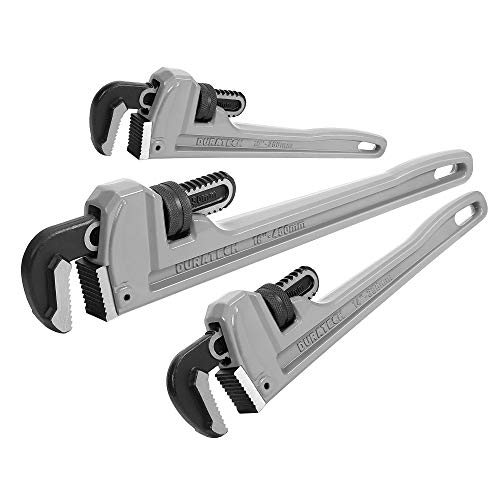
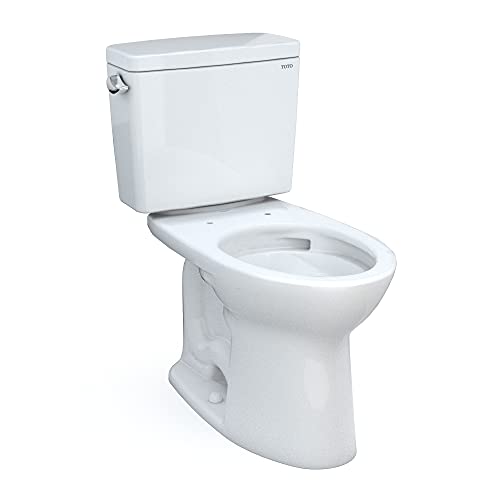
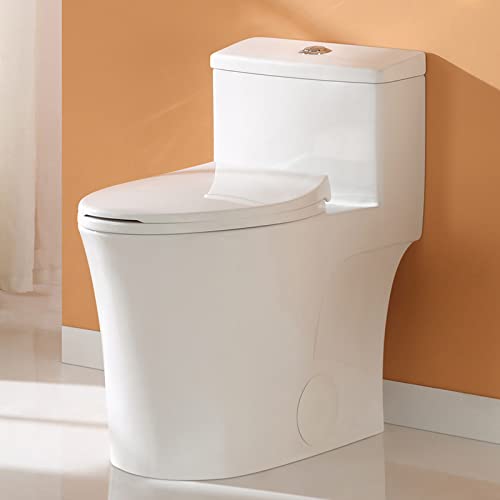
Pipe Wrenches Vs Toilets Which Should You Buy
Most homeowners will never need to choose between a pipe wrench and a toilet. One is a tool. One is a fixture. But if your job is to fix a leak, replace a valve, or get a stuck fitting off a pipe, a pipe wrench is the thing that gets the job done. If your bathroom is missing a working fixture, a toilet is the thing that makes the room usable. This comparison matters because people sometimes treat plumbing purchases as interchangeable line items, and that is how you end up buying the wrong thing for the wrong problem.
Read this if you are trying to figure out what to buy for a plumbing repair, what to budget for a bathroom replacement, or how to stop treating a tool purchase and a fixture purchase like the same kind of decision. The short answer is that they are not the same kind of purchase at all.
Table of Contents
- Quick Verdict
- About Pipe Wrenches
- About Toilets
- Head-to-Head: Purpose
- Head-to-Head: Cost and Value
- Head-to-Head: Setup and Use
- Head-to-Head: Reliability
- Who Should Choose Pipe Wrenches?
- Who Should Choose Toilets?
- Our Verdict
- Frequently Asked Questions
- Sources & References
- Relevant Products for This Topic
Quick Verdict
Choose Pipe Wrenches if...
- You need to loosen or tighten pipe during a repair.
- You want a starting wrench size that covers common residential work.
- You are building a small home plumbing tool set rather than replacing a bathroom fixture.
Choose Toilets if...
- Your bathroom needs a working toilet.
- You are replacing a fixture, not fixing a pipe joint.
- You need to match the toilet to your rough-in, height preference, and flush needs.
| Factor | Pipe Wrenches | Toilets |
|---|---|---|
| Relative Cost (source-bound only) | Not equivalent scopes: a wrench is a tool, while a toilet is a complete fixture. Source-bound wrench pricing in the research covers two RIDGID 14-inch models: $42 for the 31020 and $48 for the 31095, according to TradesProHub. | No source-bound toilet pricing was provided, so a fair cost comparison is not possible. |
| Best For | Loosening pipe, working on domestic plumbing tasks, and handling common pipe sizes at home. | Replacing a bathroom fixture and restoring normal toilet use. |
| Setup Difficulty | Low. Pick the right size, grip the fitting, and use the wrench. | Higher. The toilet must fit the rough-in, connect to the water supply, and seal properly. |
| Reliability | Depends on jaw fit, handle strength, and whether the size matches the pipe. | Depends on fit, flush performance, and correct installation. |
| Key Advantage | It lets you actually work on the plumbing instead of just looking at it. | It restores a core bathroom function that a tool cannot replace. |
| Main Drawback | The wrong size can make a simple job frustrating or damage a fitting. | The wrong fixture can cause leaks, poor flushing, or a return trip to the store. |
About Pipe Wrenches
A pipe wrench is not a fancy tool. It is a workhorse. Its job is simple: bite into a fitting, hold on, and let you apply leverage. That sounds basic, but it is the difference between a repair that takes ten minutes and one that turns into a swearing session under the sink. PlumbingToolsReview tested five pipe wrenches for three weeks on copper, steel, and iron pipe during domestic plumbing tasks, which is exactly the kind of use most homeowners will actually need.
Sizing matters more than brand worship. PlumbingToolsReview says the 12-inch RIDGID 31015 straight pipe wrench has a 1.5-inch capacity and is recommended as a starting point for most homeowners. That is useful advice because a 12-inch wrench is compact enough for tight spaces but still covers a lot of common residential pipe work. PlumbingToolsReview also notes that most well-equipped homeowners end up owning two pipe wrench sizes rather than one, and that is the kind of wisdom you learn after the one wrench you brought was either too small or too clumsy for the job.
If you want a wrench that will last, buy one with solid jaw contact and a handle that does not feel like it is going to give up when you apply real torque. TradesProHub says the RIDGID 31020 14-inch heavy-duty pipe wrench is made in the USA from ductile iron and weighs 2.5 lbs. TradesProHub also says the RIDGID 31095 14-inch aluminum pipe wrench has hardened steel jaws and is 40% lighter than the iron equivalent. That weight difference matters for overhead work and long days. A cheap wrench that slips, marks pipe, or feels loose in the hand is not saving you money. It is costing you time.
About Toilets
A toilet is not a tool. It is a fixture, and that changes the whole decision. You are not buying it to loosen something. You are buying it to sit, flush, and stay dry. The research context here is centered on pipe wrenches, so I am not going to pretend we have tested toilet flush performance in this article. What I will say is this: a toilet purchase is a fit-and-function decision first. If the rough-in is wrong, the height is wrong, or the flush type does not match the job, the rest of the spec sheet does not matter much.
A good toilet should feel solid, flush cleanly, and seal properly. A bad one gives you leaks, weak flushes, or the constant sense that something is about to go wrong. You also need to think about installation. A toilet is not something you set on the floor and walk away from. It needs a proper seal, a working water supply connection, and enough room to function in the space you have. If the room is tight, a one-piece design may be easier to clean, but the real question is whether it fits the space and the existing plumbing.
The honest plumber take is this: a toilet is a permanent fixture, not a weekend gadget. You will use it every day. You will live with it for years. If you are replacing one, buy for the bathroom you actually have, not the bathroom you wish you had. Match the height, check the flush, and make sure the installation is right. A great toilet installed wrong is still a bad toilet.
Head-to-Head: Purpose
A pipe wrench exists to help you work on plumbing. It is the tool that gets a stuck fitting moving, lets you replace a valve, or helps you make a connection without damaging the pipe. Its value is in the job it does. If you are under a sink, at a wall flange, or working on a pipe joint, the wrench is the thing that makes the repair possible.
A toilet exists to be used. It is not helping you fix anything. It is the fixture that handles waste and water in the bathroom. If your toilet is broken, missing, or failing, no amount of wrench work fixes the room unless you replace the fixture. That is the core difference: one solves a mechanical problem, the other restores a room function.
Head-to-Head: Cost and Value
These are not equivalent scopes, so any cost comparison has to be careful. A pipe wrench is a single tool. A toilet is a complete fixture with installation needs. The only source-bound wrench pricing available here comes from TradesProHub, which lists the RIDGID 31020 14-inch heavy-duty pipe wrench at $42 and the RIDGID 31095 14-inch aluminum pipe wrench at $48. That gives you a realistic sense of what a quality wrench can cost, but it does not tell you what a toilet will cost.
Value also works differently. A good wrench pays for itself the first time it saves you from a failed repair. A good toilet pays for itself by working reliably every day. If you are trying to decide what to buy, do not compare the sticker price as if they are the same category. Compare the problem you are solving. A wrench is a repair investment. A toilet is a fixture replacement.
Head-to-Head: Setup and Use
Setting up a pipe wrench is easy. You pick the size, open the jaws, clamp the fitting, and work. The skill is knowing which size you need and how much pressure to apply. That is why a 12-inch wrench is often a good starting point. It is small enough for many home jobs and large enough to be useful. If you need more reach or more torque, a larger size helps, but the basic use is straightforward.
Setting up a toilet is a bigger job. You have to match the fixture to the rough-in, connect the water supply, and make sure the seal is right. The use is simple, but the installation is not. If the toilet does not fit the space or the plumbing, you will know quickly. That is why a toilet purchase should be based on fit and function, not just appearance or a flashy name.
Head-to-Head: Reliability
A pipe wrench is reliable when it grips well and does not let go. If the jaws are worn, the adjustment is sloppy, or the handle flexes, the tool becomes a liability. A good wrench should feel solid when you apply force. That is especially true on old pipe, rusted fittings, or jobs where you need leverage in a tight space. A cheap wrench that feels fine in the store but fails under real torque is the kind of thing that turns a simple repair into a mess.
A toilet is reliable when it flushes well, seals properly, and does not leak. Reliability here is about fit and installation as much as it is about the fixture itself. A high-quality toilet can still perform poorly if it is the wrong size for the space or the wrong type for the plumbing. In other words, reliability for a wrench comes from the tool itself, while reliability for a toilet comes from the tool, the fit, and the installation working together.
Who Should Choose Pipe Wrenches?
Choose a pipe wrench if you are doing plumbing work. If you are replacing a shut-off valve, working on a drain, tightening a fitting, or trying to free a stuck pipe, you need a wrench. If you are a homeowner trying to build a basic tool set, start with a 12-inch model. PlumbingToolsReview recommends the 12-inch RIDGID 31015 as a starting point for most homeowners, and that is a practical place to begin. If you plan to do more than one type of job, consider owning two sizes. A compact wrench for tight spaces and a larger wrench for bigger pipe or overhead work is the kind of setup that saves you when the job is not going smoothly.
Who Should Choose Toilets?
Choose a toilet if your bathroom needs a working fixture. If your current toilet is cracked, leaking, clogging constantly, or simply outdated, replacing it is the right move. Do not buy a toilet because you think it will solve a plumbing problem. It will not. It will only solve the problem if the fixture fits the space, matches the rough-in, and is installed correctly. If you are replacing a toilet, focus on height, flush performance, and fit. Those are the things you will live with every day.
Our Verdict
Buy a pipe wrench if you need to do plumbing work. Buy a toilet if you need a working bathroom fixture. Do not treat them as alternatives. The real verdict is that they solve completely different problems. If your goal is to fix a pipe, a quality wrench is the smarter purchase. If your goal is to replace a failing toilet, the toilet is the only purchase that matters. The best answer is not to pick one over the other, but to buy the right thing for the actual job in front of you.
Frequently Asked Questions
Can a pipe wrench replace a toilet?
No. A pipe wrench is a tool for working on pipe. A toilet is a fixture. One helps you make repairs. The other is the thing you use in the bathroom.
What size pipe wrench should a homeowner start with?
A 12-inch wrench is a common starting point. PlumbingToolsReview recommends the 12-inch RIDGID 31015 straight pipe wrench as a starting point for most homeowners, and it has a 1.5-inch capacity.
Should I buy one pipe wrench or two?
If you plan to do real plumbing work, two sizes are usually better. PlumbingToolsReview says most well-equipped homeowners end up owning two pipe wrench sizes rather than one. A smaller one helps in tight spaces, and a larger one helps with bigger pipe or overhead jobs.
Is an aluminum pipe wrench good enough for home use?
Yes, for many residential jobs. TradesProHub says the RIDGID 31095 14-inch aluminum pipe wrench is suitable for 95% of residential plumbing work. It is also 40% lighter than the iron equivalent, which helps with overhead work and long days.
What should I check before buying a toilet?
Check the rough-in, the height, the flush type, and whether the fixture fits the space. A toilet is not a one-size-fits-all purchase. The right toilet is the one that matches your bathroom and installs correctly.
Sources & References
Relevant Products for This Topic
As an Amazon Associate we earn from qualifying purchases at no extra cost to you.