

Wayne Sump Pumps Vs Aquastrong Sump Pumps
Listen, I’ve spent enough time knee-deep in flooded basements to know one thing: when your sump pump fails, you aren't just looking at a plumbing problem—you're looking at a disaster. You don't want to be standing over a wet pit at 3:00 AM, wondering if the cheap plastic pump you bought to save a few bucks is going to hold up against a heavy storm. This comparison is for the homeowners who want to sleep through the night and the pros who need to know which gear actually earns its keep when the water starts rising.
In this breakdown, we’re looking at the heavy hitters from Wayne versus the budget-friendly options from Aquastrong. We aren't just comparing spec sheets; we're looking at the difference between a pump built to last decades and a pump built for a quick fix. Whether you're dealing with a high water table that needs a heavy-duty cast-iron workhorse or you just need a cheap utility pump to clear out a pool cover, I'll tell you exactly which one belongs in your pit and which one is just a waste of your time.
Affiliate disclosure: if you buy through these links, we may earn a commission at no extra cost to you.
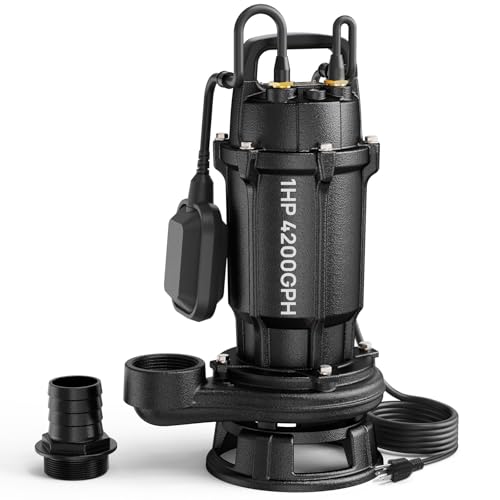
Table of Contents
- Models in this comparison
- Quick Verdict
- About Wayne Sump Pumps
- About Aquastrong Sump Pumps
- Durability and Build Quality
- Performance and Flow Capacity
- Installation and Reliability
- Who Should Choose Wayne Sump Pumps?
- Who Should Choose Aquastrong Sump Pumps?
- Our Verdict
- Frequently Asked Questions
- Sources & References
Models in this comparison
Affiliate disclosure: if you buy through these links, we may earn a commission at no extra cost to you.


Quick Verdict
Choose Wayne Sump Pumps if...
- You want a "set it and forget it" solution for critical basement protection.
- You need heavy-duty durability, like the s 28-pound cast-iron base designed to prevent pump walk during high-volume discharge.
- You are dealing with heavy storm inflow or high water tables where high-capacity models like the 3/4 HP are necessary.
- You want a reliable vertical float switch that has been tested through 10,000+ activations without sticking.
Choose Aquastrong Sump Pumps if...
- You are looking for a budget-friendly option for light-duty water removal.
- You need a specific utility-focused model, such as a sewage grinder pump or a portable thermoplastic pump for pools and ponds.
- You are working with a tighter budget and don't require the heavy-duty cast-iron construction of professional-grade primary pumps.
| Factor | Wayne Sump Pumps | Aquastrong Sump Pumps |
|---|---|---|
| Primary Use Case | Critical basement protection and heavy-duty storm management. | Budget-conscious utility pumping and water removal. |
| Build Quality & Materials | Heavy-duty cast iron and stainless steel for corrosion resistance and stability. | Thermoplastic construction focused on affordability and portability. |
| Flow Capacity & Performance | High-volume performance (up to 5,490 GPH on 3/4 HP models). | Variable utility flow (up to 4,500 GPH on 1 HP models). |
| Reliability Factor | Engineered for longevity; vertical float switches tested for 10,000+ activations. | Designed for intermittent utility tasks and budget-friendly water removal. | troubleshooting
| Key Advantage | Cast-iron bases prevent "pump walk" and handle high water tables. | Lower entry price for basic water-moving needs. |
| Main Drawback | Higher initial investment for professional-grade durability. | Lacks the heavy-duty build of cast-iron/stainless steel models. |
About Wayne Sump Pumps
When you’re standing in a flooded basement at 3 AM, you don't want a science project; you want a workhorse. Wayne has built a reputation for making pumps that actually stay put when the pressure hits. One of the standout features in their lineup is the 3/4 HP model, which uses an epoxy-coated cast-iron base adding 28 pounds of stability. That weight is critical because it prevents "pump walk"—that annoying tendency for a lighter pump to vibrate its way across the pit during high-volume discharge.
The build quality on these units is professional-grade. For instance, the Wayne 3/4 HP model features a top-discharge design that fits standard 1.5-inch PVC without needing a bunch of cheap adapters. It also uses a stainless-steel motor housing to fight off corrosion. Reliability is baked into the hardware; the integrated vertical float switch on the 3/4 HP model was tested through over 10,000 activations without sticking, which is exactly the kind of longevity you need when the water table starts rising.
For different job sites, Wayne offers specialized solutions. If you're dealing with a narrow pit where space is tight, the CDU790 1/3 HP model is a heavy hitter, moving up to 4,600 gallons per hour while utilizing a vertical float switch to fit in compact spaces. If you're facing heavy storm inflow or high water tables, the CDU980E 3/4 HP is designed specifically for those high-capacity demands. According to plumbingtoolsreview.com, the WAYNE CDU790 1/3 HP is rated as the 'Best Overall' with a 5-star rating, making it a top-tier choice for standard residential protection.
About Aquastrong Sump Pumps
Aquastrong pumps generally fall into the category of budget-friendly, utility-focused solutions. If you are looking for a low-cost entry point to get water moving, these models are often priced to move. For example, the Aquastrong ESU100PM 1 HP submersible pump is priced at $59.39, making it a very accessible option for those looking to spend as little as possible on a quick fix or a temporary drainage solution.
The lineup includes various configurations, such as the 1 HP sewage grinder pump, the 3/4 HP stainless steel model (4200 GPH), and the 1/2 HP submersible pump (3450 GPH). These are often thermoplastic-bodied pumps, which makes them lighter and more portable for tasks like draining a pool, a garden pond, or a window well. They are built for utility duty rather than being a permanent, heavy-duty cast-iron installation meant to last decades in a primary sump pit.
When deciding between these and a professional-grade cast-iron pump, you have to weigh the immediate cost savings against the long-term durability requirements of your pit. While Aquastrong offers high-flow-per-dollar-spent, they are typically positioned as budget picks or utility pumps. If you need a pump for a critical installation where failure isn't an option, you'll likely find yourself looking at the heavy-duty cast-iron construction of brands like Wayne instead.
Durability and Build Quality
When you're standing in a wet basement at 2 AM, you don't care about fancy marketing; you care about whether the pump is going to crack or seize. Wayne pumps, specifically the 3/4 HP models, are built with a cast-iron base that adds 28 pounds of stability. This isn't just extra weight for the sake of it—it prevents "pump walk" during high-volume discharge, keeping the unit planted where it belongs. With stainless-steel motor housings and epoxy-coated bases, these are designed to fight corrosion and heavy-duty use over the long haul.
On the other side of the aisle, Aquastrong offers models like the 1 HP submersible pump that lean into different construction-to-price ratios. While Aquastrong provides high-capacity options like their 1 HP sewage grinder and stainless steel models, they often target a different price bracket. For critical installations where failure isn't an option, the heavy-duty cast-iron and stainless-steel construction found in the Wayne lineup is the professional's choice for resisting the elements and maintaining structural integrity under pressure.
Performance and Flow Capacity
Choosing between these two often comes down to the specific volume of water you're fighting. The Wayne 3/4 HP model is a beast for heavy storm inflow, boasting a max flow rate of 5,490 GPH according to sprucerank.com. It’s designed to move massive amounts of water quickly, making it a heavy-duty option for high water tables. The Wayne CDU790 1/3 HP is also a strong contender, moving up to 4,600 GPH, which is more than enough for most standard residential pits.
Aquastrong's lineup also hits high-flow marks, such as their 1 HP pump capable of 4,200 GPH. While these specs are competitive, the difference lies in the application. Wayne's high-capacity models like the CDU980E are engineered specifically for those heavy-duty scenarios where you need to outpace a rising water table. When you're deciding, you have to match the horsepower and GPH to your specific pit size and the expected inflow to ensure you aren't outmatched by a heavy storm.
Installation and Reliability
A pump is only as good as its ability to turn on when the water hits the switch. The Wayne 3/4 HP model features an integrated vertical float switch that was tested through 10,000+ activations without sticking, according to sprucerank.com. This is a massive reliability factor because a jammed float means a flooded basement. Additionally, the top-discharge design on the Wayne models allows them to fit standard 1.5-inch PVC without needing a bunch of extra adapters, making the install much cleaner.
Aquastrong provides various models, including 1/2 HP and 1 HP options, that cater to different plumbing setups. However, the reliability of a pump often hinges on how the switch interacts with the pit. While Aquastrong offers versatile options, the specialized vertical float switches in the Wayne line are specifically designed to handle the mechanical cycles of a residential sump pit without the common "sticking" issues that plague cheaper, less specialized units. For a pro, the ease of a standard PVC fit and a reliable, non-stick switch is what makes a pump worth the investment.
Who Should Choose Wayne Sump Pumps?
If you’re the type of homeowner who wants to install a pump and forget it exists until the next decade, you’re looking at Wayne. These aren't just plastic gadgets; they are heavy-duty machines built for people who value reliability over the lowest possible price tag.
You should choose Wayne if:
- You need a "set it and forget it" solution: The WAYNE 3/4 HP model features an epoxy-coated cast-iron base that adds 28 pounds of stability, preventing "pump walk" during high-volume discharge. When you're dealing with heavy water movement, you don't want your pump dancing around the pit.
- You have a narrow sump pit: The vertical float switches found on models like the WAYNE CDU790 1/3 HP are designed to work in tighter spaces without sticking, a common headache with traditional tethered floats.
- You face heavy storm inflow: For high water tables or serious storm surges, the WAYNE CDU980E 3/4 HP is engineered specifically for those heavy-duty scenarios.
- You want professional-grade durability: With cast-iron and stainless steel construction, these pumps are built to resist corrosion. For instance, the integrated vertical float switch on the 3/4 HP model was tested through 10,000+ activations without sticking, making it a beast for long-term reliability.
In short, if failure is not an option and you want a pump that can handle massive volumes—like the 3/4 HP model's 5,490 GPH flow rate—Wayne is the professional's choice.
Who Should Choose Aquastrong Sump Pumps?
Aquastrong pumps occupy a different space in the plumbing world. While Wayne is focused on heavy-duty, cast-iron residential protection, Aquastrong often leans into the budget-friendly and utility-focused side of the spectrum. They are great for specific tasks, but they aren't always the primary "last line of defense" for a finished basement.
You should choose Aquastrong if:
- You are on a strict budget: If you need a quick fix or a low-cost solution, the Aquastrong ESU100PM 1 HP pump is priced significantly lower at $59.39, making it an accessible entry point for basic water removal.
- You need a utility/transfer pump: Many of their models, like the 1 HP thermoplastic submersible pump, are designed for tasks like draining swimming pools, garden ponds, or managing temporary water in window wells rather than permanent, heavy-duty sump pit installations.
- You have specific sewage or high-flow needs: With models like the 1 HP Sewage Grinder Pump, they offer specialized solutions for moving solids or high-volume transfers that differ from standard residential sump applications.
The Bottom Line: If you are looking for a primary, heavy-duty sump pump to protect a finished basement from a flood, the cast-iron construction and high-capacity performance of Wayne is the smarter investment. If you need a budget-friendly utility pump for a pool, a pond, or temporary water removal, Aquastrong will likely do the job for less.
Our Verdict
Listen, I’ve spent enough time knee-deep in flooded basements to know that when you're picking a sump pump, you aren't just buying hardware—you're buying sleep. You want to know that when the clouds open up at 3:00 AM, that motor is going to kick on and stay on.
If you want the best tool for the job, the choice is clear: Go with Wayne. Specifically, if you're looking for a primary workhorse, the WAYNE CDU790 1/3 HP is the gold standard here. According to plumbingtoolsreview.com, it's rated as the 'Best Overall' for a reason. It’s built with cast iron and stainless steel, meaning it won't corrode out on you when things get messy. Plus, the vertical float switch was tested through over s10,000 activations without sticking, which is the kind of reliability you need when your basement is on the line. If you're dealing with a heavy water table or massive storm inflow, step up to the WAYNE CDU980E 3/4 HP. It’s a heavy-duty beast designed for those high-volume scenarios.
Now, let's talk about Aquastrong. These are budget-friendly, thermoplastic-style pumps. If you need something cheap for a temporary fix, a pool cover, or a garden pond where failure isn't a catastrophe, the Aquastrong 1 HP (priced at $59.39 according to sumppumpscout.com) might fit your wallet. But let's be real: if you are installing a primary pump in a residential sump pit to protect a finished basement, you shouldn't be cutting corners on build quality. A plastic-heavy budget pump won't give you the stability or the lifespan of a cast-iron unit.
The Bottom Line: Buy Wayne for your critical, "failure-is-not-an-option" installations. The cast-iron base on the 3/4 HP models adds 28 pounds of stability to prevent "pump walk," and the build quality is built to last. Buy Aquastrong only if you're looking for a low-cost utility solution for non-critical water removal.
Frequently Asked Questions
Which brand is better for a primary basement sump pump: Wayne or Aquastrong?
It depends on what you're looking for. If you want a heavy-duty, professional-grade workhorse, Wayne is the industry benchmark. Their cast-iron models, like the 3/4 HP, are built for longevity and high-volume discharge. If you are looking for a budget-friendly, thermoplastic option for light dewatering or utility tasks, Aquastrong offers much lower entry prices. For a critical "last line of defense" installation in a basement, the durability of Wayne's cast-iron and stainless steel construction is generally the smarter long-term investment.
What should I consider when choosing between a 1/3 HP and a 3/4 HP pump?
Think about your water table and the size of your pit. A 1/3 HP pump, like the WAYNE CDU790, is often rated as "Best Overall" for standard residential use because it can move up to 4,600 GPH, which is plenty for most basements. However, if you are dealing with heavy storm inflow or a high water table, you'll want the higher capacity of a 3/4 HP model. Also, consider the pit size; vertical float switches are great for narrow pits where a traditional float might get stuck.
Why is cast iron construction preferred for sump pumps?
In the plumbing world, weight and corrosion resistance matter. Cast iron provides stability—for example, the Wayne 3/4 HP model uses an epoxy-coated cast-iron base to add 28 pounds of stability, which prevents "pump walk" during high-volume discharge. It's much more rugged than cheap plastic models and stands up better to the constant moisture and heavy duty cycles found in a sump pit.
Can I use a budget utility pump as my main sump pump?
I wouldn't recommend it for a critical installation. Budget pumps, like the Aquastrong 1 HP thermoplastic model, are often designed for portable utility work—like draining a pool or a garden pond. While they are affordable, they lack the heavy-duty build of a primary submersible pump. For a basement where failure could lead to a flooded house, you want a pump designed for continuous, automatic operation with reliable switch mechanisms.


