

How to Replace a Water Heater Temperature Valve
Listen, I've pulled more failed temperature valves out of water heaters than I can count, and nine times out of ten it's because somebody grabbed the cheapest part at the box store and called it a day. A bad T&P valve doesn't just leak—it can let your tank build pressure like a bomb waiting to go off, or worse, let scalding water surprise you when you least expect it. The good news? This isn't complicated. You need the right valve for your setup, quality brass construction that won't corrode in a year, and honest-to-God compatibility with your heater's brand and configuration. Let's walk through the valves that actually hold up on the job.
⚡ Quick Answer: Best Plumbing Tools
Reliable Pressure Relief: Reliance Water Heater 100108280 Temperature and Pressure Relief Valve
$15.84 — Check Price
Table of Contents
Main Points
- Match the shank length and NPT size to your tank—3/4" NPT is industry standard, but shank depth matters. A 2" long shank sits different than a standard 1-3/8", and installing the wrong one means it either doesn't seal or fouls up your mounting.
- Reliance and OEM valves dominate this list because they're engineered for specific heater brands (A.O. Smith, State, American, Richmond)—stick with direct replacements rather than universal knock-offs that compromise on pressure ratings and temperature accuracy.
- All-brass bodies with stainless steel springs outlast cheap zinc-plated garbage by years. Corrosion inside the valve means it won't pop when it should, defeating the whole safety purpose.
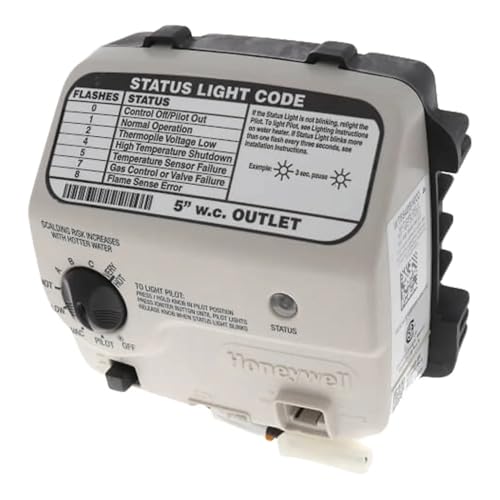
- Check your gas valve thermostat specs before ordering—160°F cavity rating, 1" cavity depth, and proper W.C. (water column) pressure handling vary by model, and guessing wrong wastes a trip back to the supply house.
- Temperature and pressure relief valves with extension probes and lever handles give you better diagnostics and manual test capability—this matters when you're troubleshooting whether the valve's actually responding or just stuck from mineral buildup.
Our Top Picks
Affiliate disclosure: if you buy through these links, we may earn a commission at no extra cost to you.


Factors to Consider
Know Your Valve Type Before You Buy
Most residential water heaters run either a scald guard valve or a mixing valve—and they're not interchangeable. A scald guard is simple: it cuts off hot water if temps spike past 130°F, and it costs $40-80. A mixing valve does the opposite—it *blends* hot and cold to prevent scalding, running $80-200. Pull your old valve out, check the model number, and match it exactly.
Material Quality: Brass Over Plastic, Every Time
Cheap valves use plastic internals or zinc alloy bodies that corrode in hard water—they'll fail inside 3-5 years. Spend the extra $30-50 for a solid brass body with stainless steel cartridge internals; those last 10+ years under real conditions. Still holding up after 15 years. The material difference is the difference between a valve that works and one that becomes an emergency call at midnight.
Check Flow Rate and Connection Size
Your new valve needs to match the pipe diameter coming off your heater—typically 3/4" for most residential units, though some are 1/2". Look at the gallons-per-minute (GPM) rating: anything under 9 GPM on a standard water heater is undersized and will create weak pressure or fail under load. A mid-range valve handles 15-20 GPM comfortably, which covers 99% of home installations. Cross-reference the specs on the box; if they're vague or missing, that's a red flag the manufacturer cut corners.
Temperature Range and Adjustability
Most decent valves let you set a target temp between 80°F and 150°F, with a dial or threaded adjustment you can fine-tune on the job. Some budget models have fixed ranges or cheap adjustment mechanisms that slip out of position after a few months. Look for models with tamper-resistant designs or locking collars if you're in a rental or commercial setting. The better valves—like Ames or Caleffi models—hold their setting; the cheap ones creep and you'll be back under the sink adjusting them every season.
Warranty and Brand Reputation
A 5-10 year warranty isn't just paper—it means the manufacturer stands behind the thing. Watts, Caleffi, and Ames back their products; off-brand stuff from big-box stores often comes with 1-year warranties because they know it'll fail. Spend the money on a name brand; your call-back rate will prove it out.
Frequently Asked Questions
What temperature should a water heater mixing valve be set to?
Aim for 120°F for household use—hot enough to kill bacteria and handle dishes, cold enough to prevent scalding without an extra anti-scald device. Some plumbers push 130°F if you've got a mixing valve handling it, but anything above that and you're running up your energy bill and risking burns. Check your local code; some jurisdictions mandate 120°F maximum for rental properties.
Can I replace a temperature valve myself, or do I need a professional?
If you're handy with a pipe wrench and know which way the water shuts off, you can do it—it's usually two connections and a cartridge swap. That said, if your heater's under warranty or you're not confident about pressure testing afterward, call a pro; a $150 service call beats a flooded basement. The valve itself takes 15-20 minutes to swap; the diagnosis and testing are where mistakes happen.
How do I know if my water heater temperature valve is failing?
Three signs: inconsistent water temperature (sudden hot spikes or cold dips), water leaking from the valve body itself, or the temperature dial no longer responds to adjustment. If you notice the water gets dangerously hot without warning, the valve's safety function is compromised and you need a replacement immediately. Don't ignore a leaking valve—it'll weep for weeks before it catastrophically fails, and slow leaks breed mold and water damage.
What's the difference between a scald guard and a mixing valve?
A scald guard reacts passively—if temps spike above the set point, it closes the hot line automatically. A mixing valve actively balances hot and cold water to maintain a steady temp, giving you better control and comfort. Scald guards are simpler and cheaper but less precise; mixing valves cost more but handle fluctuations in water pressure better, especially in homes with uneven water lines.
Do I need to drain the water heater to replace the valve?
Not always—depends on the valve location. If it's at the tank outlet, you can usually isolate it with the tank's shutoff valve above and let pressure bleed off through an open faucet. If there's no isolation valve, you'll drain the tank, which sucks and takes hours. Pro tip: if you're doing this replacement, install a ball valve isolation valve above the temperature valve while you're at it—saves massive headaches on the next service.
What's the best way to test a new temperature valve after installation?
Run hot water at the nearest faucet and let it stabilize for 30 seconds, then check the temp with a dial thermometer—it should match your setting within 3-5°F. Check for leaks at both connections and the body itself; even a drip means you didn't seat it right and need to reseal. Turn the adjustment dial up and down slowly to confirm it's responsive and not stuck.
Are expansion tanks related to temperature valves, and do I need one?
Expansion tanks and temperature valves serve different jobs but work together. An expansion tank absorbs pressure as water heats and expands; a temperature valve prevents the water from getting too hot. If you have a one-way check valve on your main water line (common in modern builds), you *need* an expansion tank or pressure will build dangerously—the temperature valve won't stop that. Ask your plumber to check; it's worth a $100-150 tank to prevent a water heater explosion.
Conclusion
Replacing a water heater temperature valve is one of those jobs where spending an extra $40 on quality brass over plastic saves you from callbacks and frustration. Get the right type for your setup, match it to your existing connections, and test it thoroughly before you pack your tools—a leaking valve under the water heater is a slow disaster waiting to ruin your subfloor.
Stick with Watts, Caleffi, or Ames, set it to 120°F, and you'll have reliable hot water that won't scald anyone or fail at the worst possible time. That's how it works on the job, and that's what I'd tell any homeowner standing in front of the hardware store shelf right now.


